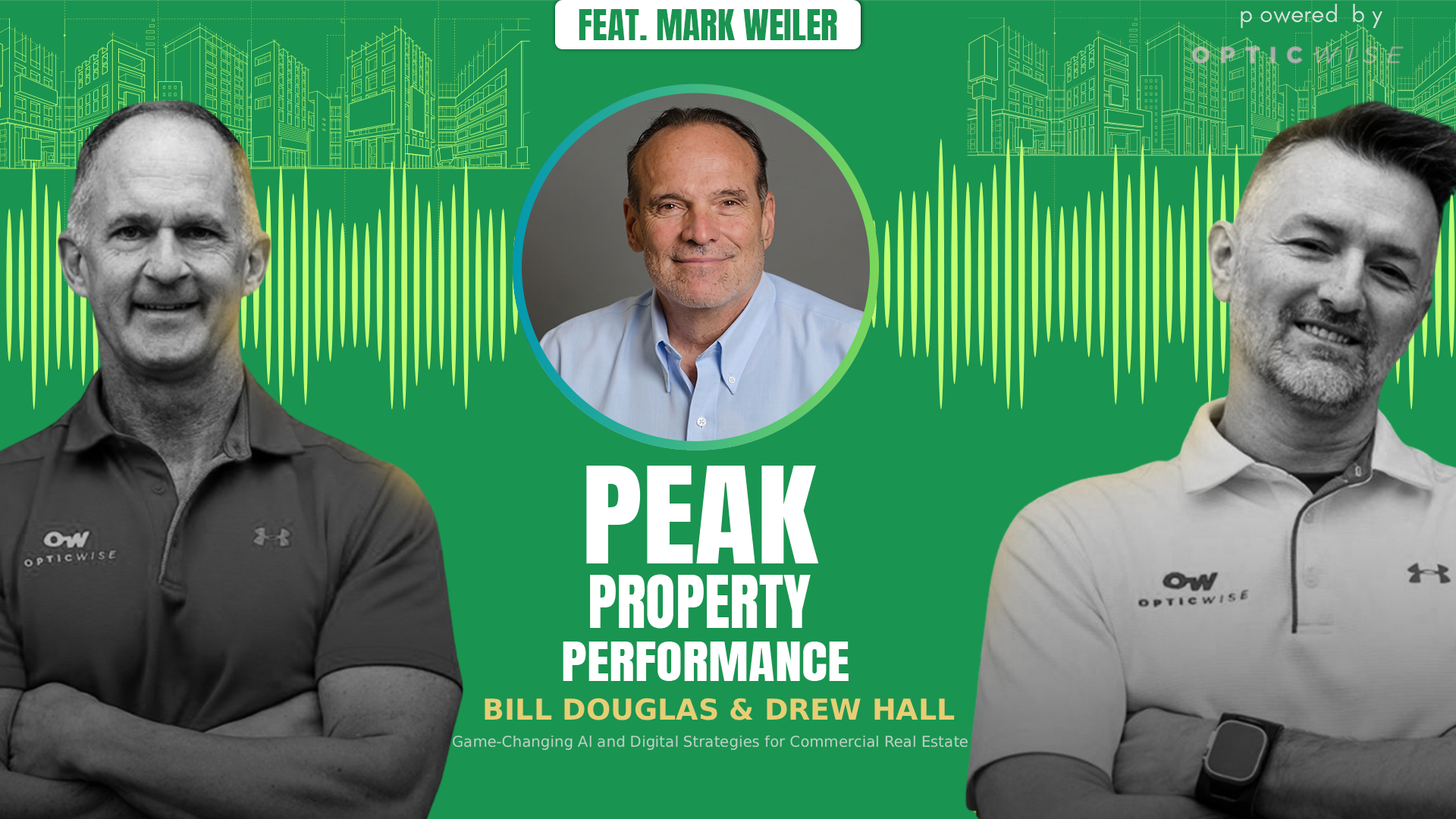
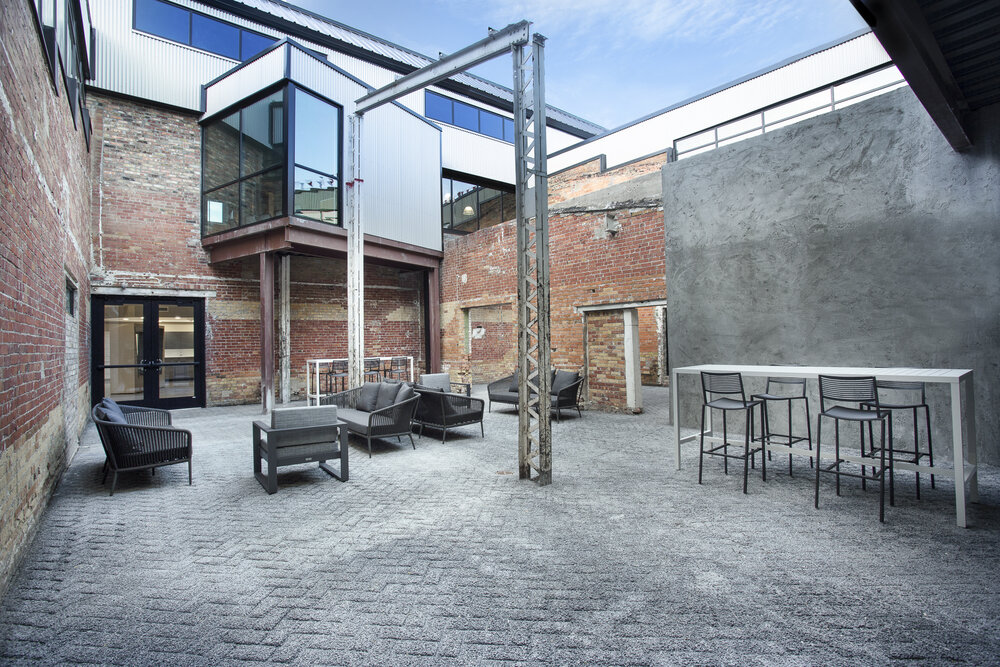
Owners rely on building engineers to spot problems before they become failures and explain when repairs require more capital. Much of that work stays out of sight until something fails. At Foundry 43, a multi-tenant commercial property in Salt Lake City, Mark Weiler manages those responsibilities while the technology around him keeps changing. In our conversation on Peak Property Performance®, his experience showed how tenant relationships, mechanical systems, and owner-controlled data and digital infrastructure affect the decisions behind a building’s daily performance. You can listen to the full episode for his account of the work.
Keeping tenants informed is part of keeping the building safe
Mark described a working day organized around competing requests. Tenants experience a door problem or an access issue as urgent because it interrupts their work. The engineer has to weigh that request against everything else happening across the property, with fire and life safety taking priority. Ownership’s support matters when the response requires spending money or changing a system. Give the engineering team a clear way to explain what requires immediate attention, what can wait, and why. Without that explanation, whichever complaint reaches ownership first can end up driving the decision.
Installing and testing a new fire life safety system meant balancing safety work with tenants’ working hours. Mark’s team sent email notices days ahead and scheduled alarm testing outside normal working hours, usually around 6 a.m. A tenant who was already in the building was still frustrated by the noise. Mark apologized and explained that the testing was being done for the tenant’s safety, which helped calm the conversation. The preparation reduced avoidable disruption, but the engineer still had to explain the purpose in person. Account for that time when evaluating the work required to operate a property. Even a planned, necessary task requires someone who can handle a tenant’s reaction.
Tenant comfort depends on what the building can actually control
Temperature control is one of Mark’s biggest daily challenges, particularly during the transition between seasons. Cold mornings and hot afternoons require adjustments as the day progresses, while people sharing a space have different preferences. Mark described checking zones through the building’s HVAC system and making changes where possible. Those controls are part of operational technology, the equipment and controls that run the building. They need to work alongside IT, the systems that run the business. Owners need to define who can access those systems and how they are operated. A financial report alone cannot explain whether a comfort complaint comes from an equipment limitation, a setting, or competing preferences within the same space.
Mark sees more individualized control as a direction for future buildings. He discussed water-based heat pump systems that could give individual offices and conference rooms their own temperature controls. He also acknowledged the limitations of the equipment already installed at Foundry 43. Before approving a capital request, find out what the current system allows the team to adjust and whether new equipment is needed. We heard an engineer separating the service tenants want from the capability the building currently provides, which gives ownership a clearer basis for discussing improvements.
A shared network needs clear rules for access
Foundry 43’s shared data and digital infrastructure supports both building systems and tenants. In the conversation, we described moving the building management system from an unreliable, expensive cellular connection onto the common network, configured for the remote access the team needed. Include connectivity in the operating plan because the choice affects both cost and reliability. A separate connection has its own costs and reliability concerns. Using the owner-controlled network lets the team manage access through the property’s existing network. The building engineer and the digital specialist need to work together because each understands a different part of the systems that must keep working.
About security, you know, with AI and all the fishing and all that kind of stuff that's going on is a real issue.
Mark Weiler
Mark raised that concern while discussing the growing role of technology in engineering. He described explaining access restrictions to people who wanted broader connectivity, including why outside users should not be able to reach tenant printers. Explaining what someone could access makes the reason for a restriction easier for tenants to understand. As more building functions become connected, set rules for who can access them, who can change settings, and who must maintain those protections.
Knowing the building can change a capital decision
A failing electrical connection gave Mark a problem that could not wait for the usual replacement process. He heard sizzling at a joint in the bus bar, the assembly that distributes power through the building, and found that a bolt had not been tightened during construction. Ordering the custom replacement part would have meant waiting a year. Mark identified a matching section at the end of the line that was no longer needed because the tenant space it served had its own power. The team reused that section and completed the work on a Saturday. His knowledge of both the electrical equipment and the way the space was being used made that option possible.
You know, and that's the one thing I love about this job is problem solving.
Mark Weiler
We discussed the resourcefulness behind that repair: Mark understood which part could be reused, why it would remain unnecessary in its original location, and how it fit the immediate need. Before approving a major replacement, ask the team to investigate the repair options. Those options depend on the equipment’s condition, the time needed to obtain parts, and whether another part of the property can support the repair. Mark described problem solving as a source of satisfaction in his work, and this example shows its financial importance. An engineer who knows the building well can bring ownership a workable alternative when the first replacement option creates a cost or timing problem.
Redevelopment changes which systems are worth keeping
Foundry 43’s changing campus also affects decisions about equipment that still works. Mark described plans to demolish an older office building on the block, while we recalled that it had originally housed the campus’s central network equipment before the main building was constructed. Over time, that equipment had migrated into Foundry 43. Before planning demolition, identify any systems in the building that still serve occupied space elsewhere. A system may serve more than the building that houses it. Include those connections in the redevelopment plan so removing one building does not interrupt services the remaining property still needs.
The access-control transition showed how those same changes can reduce the number of doors that need an upgrade. Mark was managing two key-card systems and wanted to retire the older one. A tenant’s move to its own internal system, together with the planned demolition, would leave about eight doors to convert to the current system. That gave ownership a smaller conversion to consider than replacing every reader in the original arrangement. Before committing capital, establish what the property will continue to use. That is part of the Clarify step in the Peak Property Performance® book. The conversation on the Peak Property Performance® Podcast showed why equipment age alone is not enough to plan replacements. Tenant plans and redevelopment changed which equipment the owner would need at all. Reviewing those plans together before committing capital can help ownership avoid paying to replace systems that are about to leave service.
About OpticWise: OpticWise provides owner-controlled data and digital infrastructure for commercial real estate, from a single property to portfolio-wide intelligence. See how we help or read customer outcomes.
Own your data & digital infrastructure. Operate with strategic foresight. Build for the long game.