Navigating Power Control, Cost Savings, and Sustainability for Building Owners
Navigating Power Control, Cost Savings, and Sustainability for Building Owners
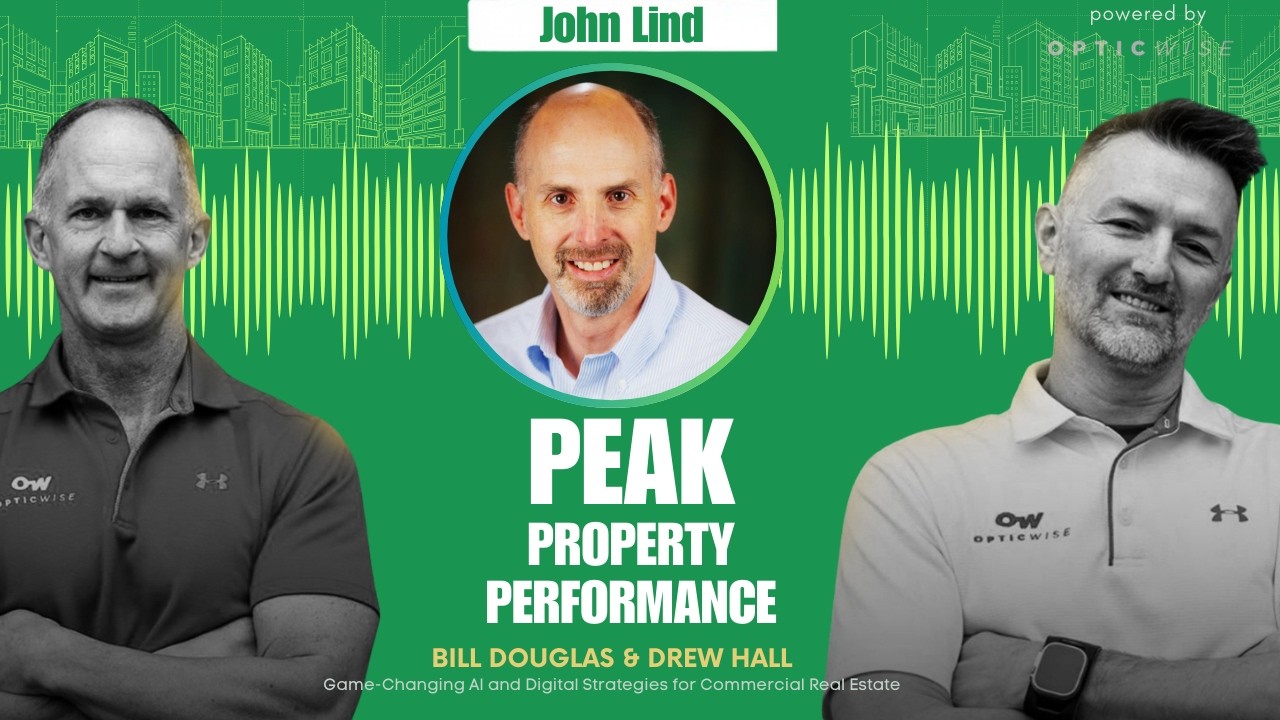
In the ever-evolving landscape of commercial real estate, the ability to control power and manage costs has become a critical focal point for building owners. As utility costs continue to rise, the traditional mindset of viewing power as a simple pass-through expense is rapidly shifting. Today, the conversation has expanded beyond sustainability buzzwords and into the realm of strategic energy management. If you don't own your data & digital infrastructure, your vendors do. This episode of Peak Property Performance® dives deep into how commercial real estate owners can rethink their buildings as energy infrastructure, leveraging on-site solar and battery solutions to transform power consumption from a liability into an asset. Listen to the full episode for more insights.
Gaining Control Over Power Costs
In the past, utility costs were an afterthought for commercial real estate owners, something to be passed through to tenants without much consideration. However, as John Lim, a seasoned real estate operator turned energy executive at Aspen Power, points out, this mindset is changing. Over the past five years, there's been a significant increase in utility costs, both in terms of generation and transmission. This rise has prompted owners to seek more control over their power usage and costs.
"There's been a pretty strong ramp in utility costs, both on the generation side and the transmission distribution. Owners are now taking a more active role in managing these costs," said John Lim.
This shift is not just about cutting costs; it's about enhancing tenant experiences and aligning with sustainability goals. By implementing on-site generation solutions like solar panels on rooftops or parking lots, owners can reduce operating costs and improve tenant satisfaction. The key is to move from a passive approach to a more active management style where power becomes a controllable and profitable asset.
Sustainability and Cost Management in Real Estate
Sustainability is no longer just a buzzword; it's a strategic imperative. As John Lim highlights, property owners and tenants alike are becoming increasingly aware of the financial implications of energy consumption. Rising power costs have elevated sustainability from mere compliance to a core component of operational efficiency and cost management.
"It's about decreasing operating costs and making sites more attractive to tenants through sustainable energy solutions," John Lim emphasized.
On-site solar generation, for instance, can significantly alter the cost structure of a property. By entering into a Power Purchase Agreement (PPA), owners can secure electricity at rates lower than current utility prices, offering both immediate cost savings and a hedge against future price hikes. This not only improves the bottom line but also makes properties more appealing to tenants looking for predictable and sustainable occupancy costs.
On-Site Generation and Enhanced Tenant Experience
The integration of on-site generation technologies like solar panels and battery storage is reshaping the tenant experience. As Drew Hall and John Lim discuss, covered parking with solar canopies not only provides shade but also offers opportunities for EV charging stations, enhancing tenant satisfaction and adding value to the property.
John Lim shared a practical example: "We were building a parking deck canopy, and even before completion, tenants started parking on the top level for shade. It became an attractive amenity, transforming the tenant experience."
Moreover, office buildings are particularly well-suited for these enhancements due to their typical metering setup. A master meter allows landlords to manage power costs effectively, creating opportunities to resell power to tenants at a margin. This control over utility expenses is a significant value proposition, aligning with broader goals of sustainability and tenant retention.
Unveiling the Tenant Experience through Energy Management
One of the most overlooked benefits of taking control of energy infrastructure is the enhanced tenant experience. As John Lim highlighted, covered parking has transformed tenant perceptions, turning the top levels of parking decks into coveted spots. This not only provides comfort but also offers practical amenities like EV charging stations, further elevating the tenant experience.
"As we were building the canopy and getting closer to completion, cars began migrating to the top level because it was covered. It became an attractive place for tenants to park," John Lim explained.
Such initiatives demonstrate how energy management can directly impact tenant satisfaction and retention. The office asset class, with its typical master meter setup, allows landlords to efficiently manage utility costs and pass savings or benefits to tenants, making spaces more attractive. This strategic approach aligns with the growing demand for sustainability and predictability in occupancy costs.
With national tenants increasingly focused on ESG reporting, the ability to provide stable, sustainable energy solutions is a powerful differentiator. Office buildings, with their ability to resell power at a margin, offer a compelling proposition for landlords and tenants alike.
Exploring Ownership Models and Power Purchase Agreements
When it comes to integrating solar and battery solutions, choosing the right ownership model is crucial. John Lim elaborated on the various models available, from outright ownership to Power Purchase Agreements (PPAs), each with its set of pros and cons.
"In the last five years, financing models have evolved. Now, firms like ours can fully finance a system at no cost to the building owner, with a PPA structure," said John Lim.
Ownership brings total control of power infrastructure, but it also involves managing operations, maintenance, and capital expenditures. On the other hand, PPAs offer long-term stability in power costs, providing a hedge against price volatility, but require a deep understanding of long-term commitments.
Building owners must weigh these options carefully, considering factors like capital allocation, ability to monetize tax incentives, and willingness to manage infrastructure. Exploring these options with a trusted partner can ensure alignment with both short-term and long-term strategic goals.
Harnessing Community Solar and Navigating State Incentives
Community solar models offer another avenue for commercial real estate owners, especially in markets where consumption is variable. By selling power to the community, building owners can maximize the use of available space and achieve economies of scale.
However, as John Lim noted, the viability of solar projects varies significantly by state due to differing incentives and regulatory environments. While federal tax credits provide some consistency, state programs often offer more predictable benefits, including streamlined permitting and interconnection processes.
For building owners, understanding the landscape of state-specific incentives is essential. This knowledge, combined with a strategic approach to modular solar deployments, can unlock significant cost savings and operational efficiencies.
Explore these strategies further in the Peak Property Performance® book and stay updated with the latest insights on the
Peak Property Performance® Podcast.
Actionable Takeaways for CRE Owners
In navigating the complexities of energy management, commercial real estate owners must adopt a proactive stance. Here are key takeaways:
- Own Your Infrastructure: Embrace the power of owning your data and digital infrastructure. Control your energy costs and enhance tenant satisfaction.
- Evaluate Ownership Models: Consider the financial and operational implications of different ownership models. Choose a strategy that aligns with your long-term goals.
- Leverage State Incentives: Stay informed about state-specific incentives and regulatory landscapes to optimize your solar investments.
- Enhance Tenant Experience: Use energy management as a tool to improve tenant experiences, offering amenities like EV charging and covered parking.
By taking these steps, CRE owners can transform energy challenges into opportunities for growth and innovation.
About OpticWise: OpticWise provides owner-controlled data & digital infrastructure for commercial real estate, from PPP Audits to portfolio-wide intelligence. See how we operate or read customer outcomes.
Peak Property Performance® Podcast
Have a story to share?
We're always looking for CRE leaders with real-world experience in data, digital infrastructure, and building operations.
Request to Be on the Show