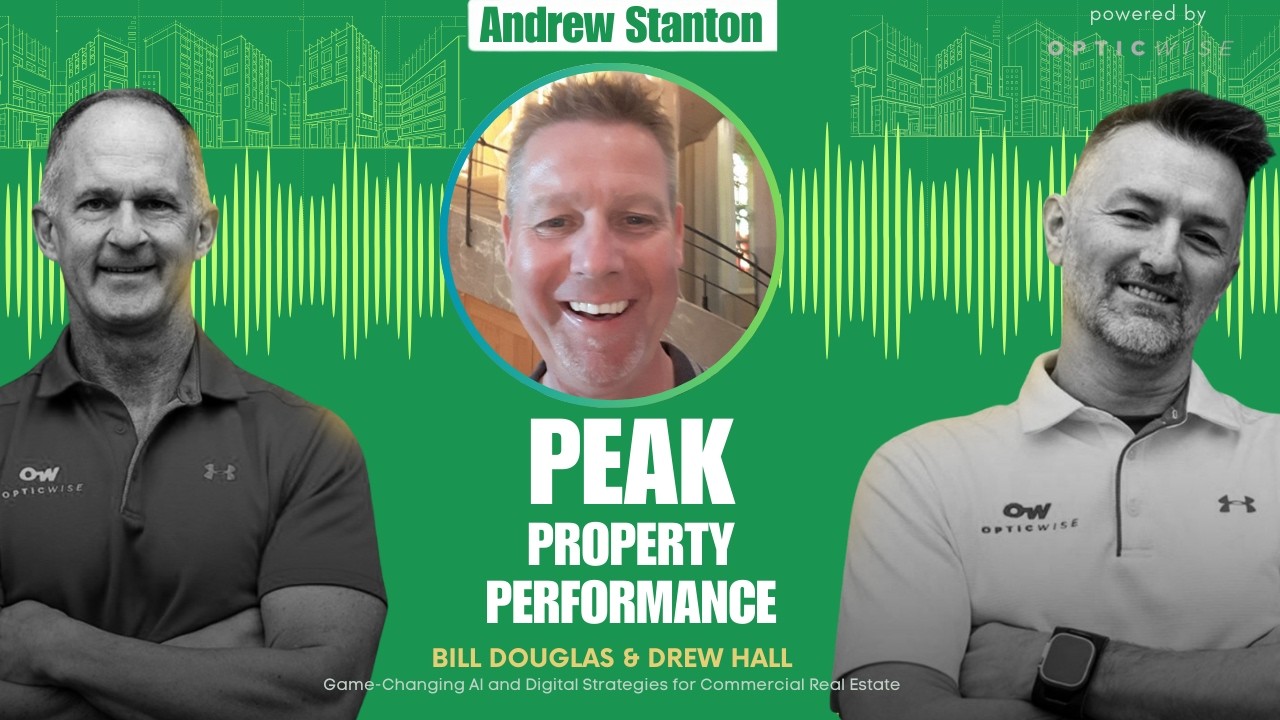
In the rapidly evolving world of commercial real estate, one truth remains constant: owning and controlling your data & digital infrastructure is paramount. Without it, you're not just losing control; you're handing over the keys to your castle to your vendors. As technology transforms the landscape, particularly with the rise of AI, the stakes have never been higher. The latest episode of Peak Property Performance® dives into these challenges and opportunities alongside Andrew Stanton, CEO of PropTech-X, who brings a global perspective on how real estate can harness technology as a tool for real, measurable value.
The Reality of AI in Real Estate
AI is often heralded as the next big thing in commercial real estate, but as Andrew Stanton points out, it’s not as simple as adding AI for instant success. The real magic happens when technology is built on a solid, owned digital infrastructure. AI isn't a cure-all; it's a tool that needs to be implemented strategically to enhance efficiency and value. As Stanton puts it, "AI doesn't solve anything itself. You've got to have people thinking, how are we using this tool to make something work more efficiently for all stakeholders?"
Consider the transformation Amazon is making with AI and robotics. Their integration has reached a point where they have as many robots as human workers, fundamentally altering how they operate. Yet, this isn't just about technology replacing humans. It's about creating a more efficient, responsive system where AI and human judgment work hand-in-hand. This principle is directly applicable to commercial real estate, where AI can help optimize building operations, but only if the foundational data and infrastructure are in place.
Bill Douglas emphasizes this point with a stark contrast to current practices: "If you don't have your data, somebody does, and somebody's monetizing it." The conversation consistently returns to the need for operators to own their digital infrastructure to truly leverage AI and other technological advancements.
Data Ownership: The Silent Killer
The core issue that Andrew, Bill, and Drew discuss is data ownership. In many commercial real estate operations, data is controlled by vendors, leading to inefficiencies and missed opportunities. Drew Hall highlights a critical analogy: "Do you think Amazon would ever let another company come into one of their facilities, number one, put a network in their building that they don't own and they can't even use?" The answer is a resounding no, yet this is a common practice in real estate.
Without control over your data, you're at the mercy of vendors. This lack of control can lead to scenarios where accessing your own data becomes a convoluted, delayed process, rendering it nearly useless for real-time decision-making. Stanton notes, "It's a silent killer if you don't view and organize and design a commercial real estate investment, physical property as one holistic system."
The solution is clear but challenging: real estate operators need to rethink their approach to digital infrastructure. This means investing in systems where all data flows through a centralized, owned network, ensuring transparency and control. It's not just about having access to data but having it in a structured, actionable format.
Building for the Future: A Holistic Approach
The future of commercial real estate lies in a holistic design, where every system is integrated into a cohesive whole. This approach is not just about efficiency but about future-proofing investments against the inevitable changes in technology and market demands. In the episode, Andrew Stanton discusses the importance of viewing buildings as ecosystems where every part, from HVAC systems to security, is part of a larger, interconnected framework.
Real progress in real estate technology isn't about collecting the latest gadgets but about creating a foundation that supports innovation. As Bill Douglas articulates, "You can buy, and Drew has seen it, our clients have gone to put in smart thermostats, for instance. Sure. You can buy those and put them in. But why in the world are you using the vendor's network to get all of that data to their portal in the cloud somewhere?" It's about reclaiming control and ensuring that any technological implementation enhances value rather than siphoning it away.
The discussion in this episode of Peak Property Performance® underscores the urgent need for commercial real estate operators to take control of their data and digital infrastructure. It's a call to action to see beyond the hype of AI and focus on building a robust, integrated system that can support long-term success. For more insights, listen to the full episode.
Understanding the Silent Killer: Vendor Dependency
Vendor dependency in commercial real estate can be likened to a silent killer. It creeps in unnoticed, slowly eroding control over your assets and operations. As Bill Douglas points out, when operators don't own their data, it's the vendors who end up controlling and potentially monetizing it. This lack of ownership is not just a technical oversight; it's a strategic vulnerability.
Drew Hall emphasizes this with another reality check: "If you try to get the data, if you ask for a copy that you have the rights to, it's typically horribly unstructured and very delayed. It's not real-time data. It's not actionable." The implication here is clear: without owning your digital infrastructure, your ability to compete and innovate is severely hampered.
Let's consider a scenario where a building relies on a vendor's network to operate its smart systems. The vendor controls the data flow, and as a result, any interruption or delay in data access can lead to inefficiencies, increased costs, and frustrated tenants. This is why owning your digital infrastructure is a critical step. It ensures the data generated by your property remains within your control, allowing you to make informed, timely decisions.
Leveraging Data for Peak Property Performance®
The key to unlocking the potential of your commercial real estate lies in how effectively you leverage your data. Bill and Drew often illustrate this with the example of smart thermostats. While many operators invest in these systems, they miss out on the full benefits by allowing vendors to dictate the terms of data access.
"You can buy those and put them in," Bill notes, "but why in the world are you using the vendor's network to get all of that data to their portal in the cloud somewhere? Why isn't it going over your digital infrastructure and you have the data?" This is a critical question that every operator should ask.
Owning the digital infrastructure not only provides control but also opens avenues for innovation and efficiency. With real-time data at your fingertips, you can optimize energy use, improve tenant experience, and even forecast maintenance needs. This is the essence of Peak Property Performance®, transforming data into actionable insights that drive value.
Actionable Takeaways for CRE Owners
Commercial real estate owners and operators must prioritize digital infrastructure as a core component of their strategy. The conversation with Andrew Stanton underscores a vital message: the future belongs to those who take control of their data. It's not just about installing technology; it's about building a sustainable, flexible, and secure infrastructure that supports growth and innovation.
Here are actionable steps you can take today:
- Clarify: Understand who owns your data and the terms of access. Review contracts with vendors to ensure that you retain control over your property-generated data.
- Connect: Invest in a robust digital infrastructure that allows seamless integration of various building systems. This ensures data flows efficiently and remains accessible.
- Collect: Focus on gathering real-time, structured data to enable informed decision-making. This data is invaluable for optimizing operations and enhancing tenant satisfaction.
- Coordinate: Ensure all systems, from HVAC to lighting, work together as a cohesive unit. This not only boosts efficiency but also reduces operational redundancies.
- Control: Maintain ownership and control over your digital infrastructure to protect against vendor lock-in and ensure your data is used to benefit your operations, not someone else's bottom line.
For those looking to delve deeper into these principles, the Peak Property Performance® book offers a comprehensive guide. Additionally, stay updated with the latest insights by tuning into the Peak Property Performance® Podcast.
About OpticWise: OpticWise provides owner-controlled data & digital infrastructure for commercial real estate, from PPP Audits to portfolio-wide intelligence. See how we operate or read customer outcomes.
Peak Property Performance® Podcast
Have a story to share?
We're always looking for CRE leaders with real-world experience in data, digital infrastructure, and building operations.
Request to Be on the Show