In today's rapidly evolving commercial real estate (CRE) landscape, adaptive design and flexible workspaces are no longer just trendy buzzwords, they're crucial components of a resilient property strategy. As we discussed in the latest episode of Peak Property Performance®, the ability to pivot and adapt spaces based on real-time data is what sets forward-thinking operators apart. If you're not owning your data & digital infrastructure, your vendors are, and this episode sheds light on why that ownership is more vital than ever.
The Data-Driven Evolution of Flexible Workspaces
Our conversation with Alex Passler, a global expert in flexible workspaces, highlighted a crucial shift: coworking and flex space operators have become inherently data-driven entities, often out of sheer necessity. The pandemic accelerated this transformation as operators were compelled to reimagine how people interact with spaces. As Alex shared, "Pre-COVID saw already a significant increase in usage of flexible workspace, but what really kicked it off was COVID."
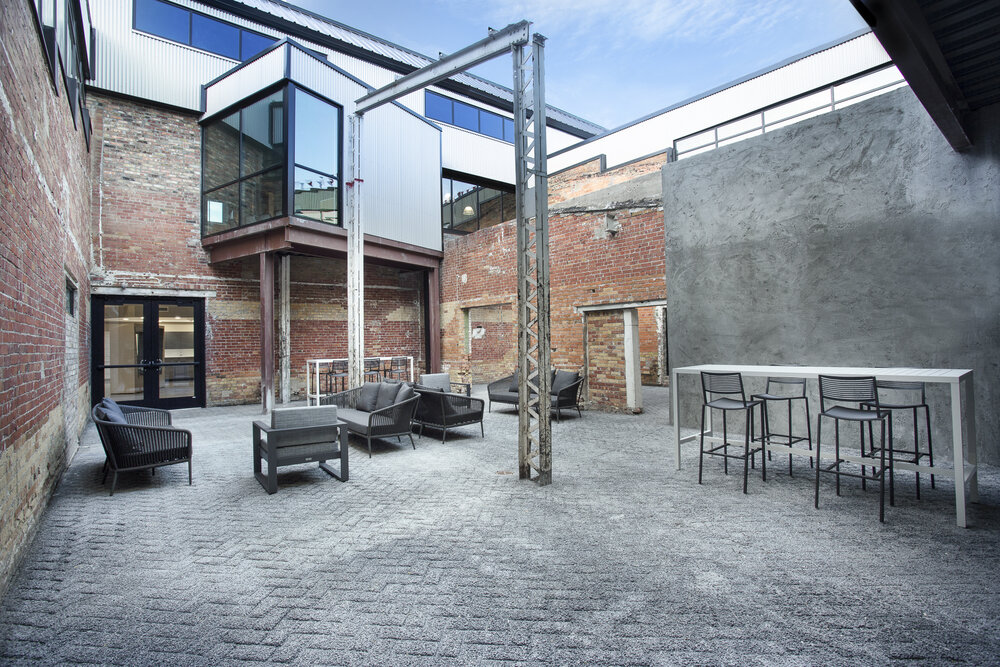
This shift was not just about maximizing occupancy but about understanding and responding to how individuals and teams naturally use spaces. For instance, coworking spaces today use data to design breakout areas, lounges, and meeting rooms, which cater to the actual flow and interaction of people. This approach contrasts sharply with traditional office settings, where spaces are often designed based on assumptions rather than concrete data.
By leveraging data, operators can identify friction points (areas where people cross paths and potential bottlenecks occur) and adapt space designs to minimize these. This not only enhances user experience but also ensures that spaces are more efficient and cost-effective in the long run.
Operational Complexities and Space Utilization
One of the biggest misconceptions about flexible workspaces is their perceived operational complexity. Many landlords fear the increased foot traffic and potential congestion that coworking spaces might bring. However, as Alex pointed out, this is often not the case. "We were able to demonstrate through data that we're actually a lot building-friendly, if you wish, to most of these office spaces than a regular tenant."
By tracking usage patterns over time, operators have shown that flexible workspaces often have staggered schedules, reducing peak-time congestion. This insight has been pivotal in convincing landlords to integrate flexible spaces within their properties. The ability to present clear, data-backed evidence of usage patterns has opened doors for flexible workspace operators in buildings previously deemed unsuitable.
Moreover, the presence of flexible workspaces acts as a buffer for vacancy rates in buildings. Tenants in traditional leases may need to downsize or expand, and without flexible options, they might be forced to leave the building entirely. By offering flexible spaces, landlords can accommodate these shifts without losing tenants, thereby maintaining a steady occupancy rate.
Adaptive Design Principles in CRE
Adaptive design is more than just a buzzword, it's a necessity in today's CRE market. As Alex emphasized, the ability to redesign spaces quickly and efficiently is a game-changer. "Being able to design ahead of time in a way that you can adapt without tearing up a whole fit out and redesigning, reconfiguring is becoming more and more important."
Key to this adaptability is the use of technology and modular design principles. By employing sensors and data analytics, landlords can monitor space usage and make informed decisions about when and how to reconfigure areas. This minimizes downtime and capital expenditure while also aligning with ESG goals by reducing waste.
For example, in high-demand areas like Asia, where residential units are smaller, developers are incorporating coworking floors within residential towers. This not only provides a much-needed amenity but also addresses the limitations of working from home in compact living spaces. As Drew noted, "We're seeing even in multifamily, we are seeing flex or coworking spaces being implemented because that's one more amenity for apartments."
The principles of adaptive design extend beyond mere aesthetics; they are about creating spaces that can evolve with the changing needs of tenants. This forward-thinking approach ensures that buildings remain relevant and attractive in a competitive market.
To dive deeper into these insights and explore more about adaptive design and flexible workspaces, listen to the full episode.
Expanding Flexibility Across Property Types
The demand for flexible workspaces is transcending traditional office environments, extending into multifamily and mixed-use developments. Drew Hall observed, "We're seeing, even in multifamily, we are seeing flex or co-working spaces being implemented because that's one more amenity for apartments." This trend is particularly evident in regions like Asia, where smaller residential units make home-based work challenging. As Alex Passler noted, "Residential developers are putting in a floor of co-working and some breakout lounges, even a few meeting rooms in their residential towers."
This shift highlights how flexible workspaces are becoming integral to modern living environments, responding to residents' needs for professional spaces close to home. By providing these amenities, developers can enhance the appeal of their properties, offering a competitive edge in a crowded market. This integration of workspaces in residential areas is not merely about convenience; it reflects a broader societal shift towards hybrid work environments.
Incorporating flexible spaces into residential and mixed-use developments can also address underutilized areas. Often, these spaces do not require the same level of natural light and infrastructure as residential units, making them ideal for conversion to co-working areas. This strategic use of space not only boosts property value but also caters to the evolving demands of modern tenants.
Adaptive Design: Future-Proofing Real Estate
Adaptive design is at the forefront of future-proofing commercial real estate. As Alex Passler detailed, "Being able to design ahead of time in a way that you can adapt without tearing up a whole fit out and redesigning, reconfiguring is becoming more and more important." The use of modular and flexible design elements allows property owners to quickly adjust spaces to meet changing demands without incurring significant costs or downtime.
The implementation of sensor technologies plays a critical role in this process. By tracking movement patterns and space utilization, operators can make informed decisions about design changes. This data-driven approach minimizes waste and aligns with ESG goals by reducing the need for extensive renovations.
The concept is akin to the transformation seen in arenas that host multiple events in a single day. As Drew Hall likened, "I'm picturing that time-lapse that you've seen where these incredible workforces are completely transforming the space." This capability to swiftly adapt spaces ensures that properties remain relevant and appealing, regardless of shifting market dynamics.
Strategic Partnerships Through Management Agreements
Management agreements offer a strategic pathway for landlords to navigate the complexities of flexible workspaces. These agreements, akin to models in the hotel industry, provide a mutually beneficial framework where operators manage spaces, often under the landlord's brand, while sharing revenue.
Alex Passler explained, "Landlords can mitigate their risk by adding a layer of a minimum guaranteed rent." This model aligns the interests of both parties, allowing landlords to earn a stable income while operators have the flexibility to adjust to market conditions. Such arrangements are particularly appealing post-COVID, as companies reassess their space needs and seek to optimize their real estate portfolios.
For occupiers with excess space, these agreements present an opportunity to generate revenue from underutilized areas. As Alex noted, "Flexible operators are going to them and saying, look, we'll operate. We won't pay anything. We'll just split whatever revenue we can generate in this space." This approach transforms vacant spaces into revenue-generating assets, providing financial relief and operational flexibility.
Actionable Takeaways for CRE Owners
As we conclude this discussion on adaptive design and flexible workspaces, several key takeaways emerge for commercial real estate owners. First, embracing data-driven decision-making is essential. Leveraging real-time data allows operators to optimize space utilization and enhance tenant experiences.
Second, consider the implementation of flexible workspaces not just in office environments but across various property types. This approach can transform underutilized areas into valuable amenities, increasing property attractiveness and tenant satisfaction.
Finally, explore strategic partnerships such as management agreements to navigate the complexities of flexible workspaces. These partnerships can provide financial stability and operational flexibility, aligning the interests of landlords and operators.
For a deeper dive into these strategies and more, we invite you to explore the Peak Property Performance® book and tune into the Peak Property Performance® Podcast. Together, we can transform the commercial real estate landscape, ensuring you own your data & digital infrastructure, not your vendors.
About OpticWise: OpticWise provides owner-controlled data & digital infrastructure for commercial real estate, from PPP Audits to portfolio-wide intelligence. See how we operate or read customer outcomes.
Peak Property Performance® Podcast
Have a story to share?
We're always looking for CRE leaders with real-world experience in data, digital infrastructure, and building operations.
Request to Be on the Show